How Much Does Glass Repair Cost On The Sunshine Coast? (2026 Local Pricing Guide)
A small crack in a window or a stubborn scratch across a glass surface rarely feels urgent—until the light hits it at the wrong angle or a routine inspection brings it into focus. What once seemed minor quickly becomes a question of cost, safety and whether repair is enough. For many property owners, understanding
glass repair Sunshine Coast pricing is the first step in making a practical decision without jumping straight to full replacement. This guide breaks down how pricing works across different types of glass damage, property settings and service urgency. It explains why costs vary, what influences the final quote and how to approach repair versus replacement with confidence.
Understanding The Cost Of Glass Repairs
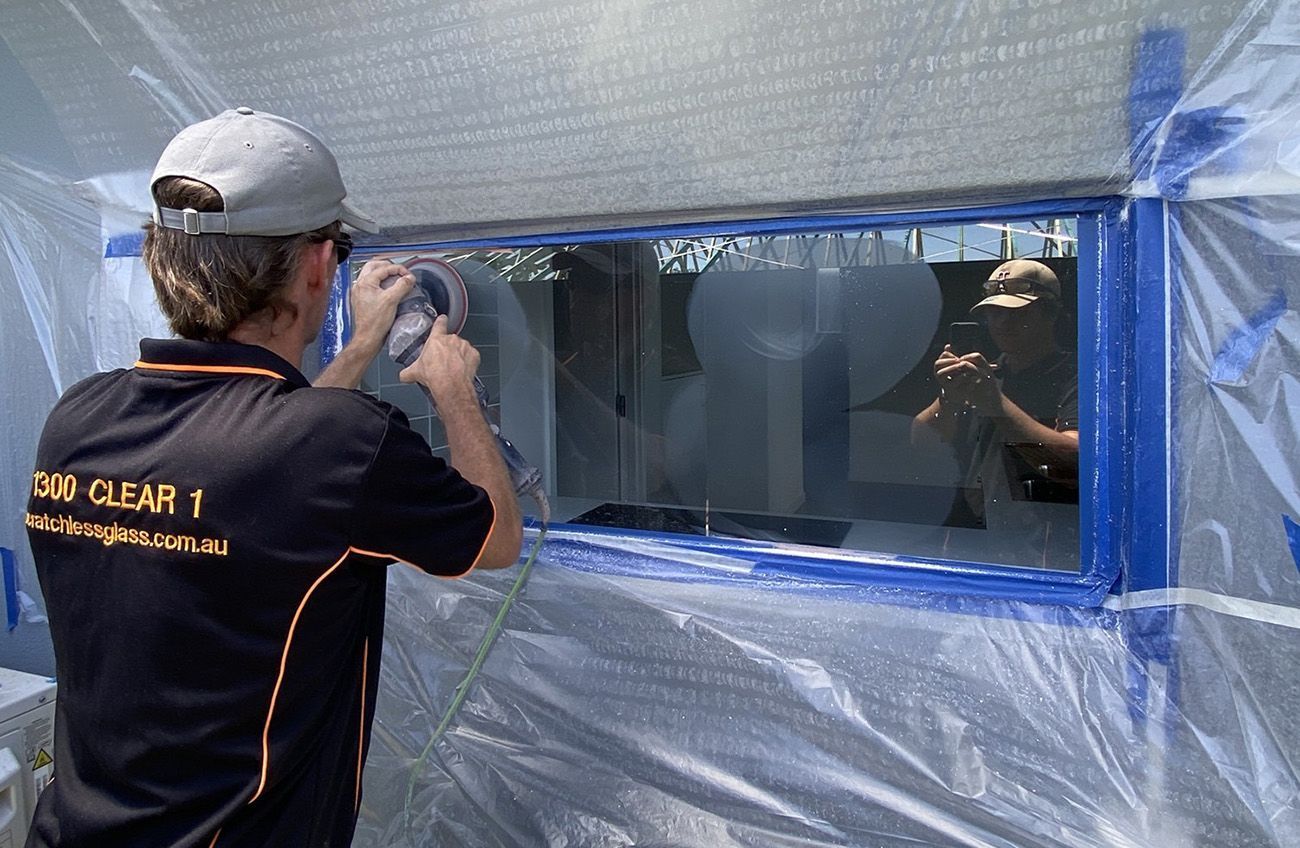
Glass repair costs are shaped by more than just visible damage: they reflect the materials, labour and techniques required to restore both clarity and strength. Minor issues like light scratches are typically resolved with polishing, while deeper damage requires more specialised processes. The goal is always to retain the existing glass where possible, avoiding unnecessary replacement costs.
Several key elements influence pricing:
- Severity and depth of the damage
- Type of glass including laminated or toughened panels
- Size of the affected area
- Accessibility and working conditions
By understanding these variables, property owners can better interpret quotes and determine whether a repair solution aligns with their expectations and budget.
Scratches & Surface Damage Pricing Explained
Surface scratches are one of the most common issues seen across residential and commercial properties: often caused by cleaning methods, debris or general wear. Professional polishing techniques can remove or significantly reduce these marks, restoring clarity without replacing the glass. This approach is particularly useful for large panels where replacement costs would be significantly higher.
Several factors influence scratch repair pricing:
- Depth and visibility of the scratches
- Total surface area requiring treatment
- Location such as windows, doors or balustrades
- Application of protective coatings after repair
For many situations, this method provides a practical and cost-conscious alternative while maintaining the original installation.
Chips & Small Cracks: What To Expect
Small chips and short cracks often go unnoticed at first: however, they can quickly develop into larger structural issues if left untreated. Early intervention allows technicians to stabilise the damage using specialised resins, preventing further spreading and improving the overall appearance. This type of work is generally more affordable than waiting until replacement becomes necessary.
When assessing these repairs, professionals consider:
- Length and depth of the crack
- Position within the glass panel
- Risk of expansion over time
- Thickness and type of glass
Many window glass repair Sunshine Coast services focus on addressing these issues early, helping avoid more costly outcomes later.
When Cracked Glass Requires Replacement
Not all glass damage can be repaired effectively: in some cases, replacement is the safest and most reliable solution. Large cracks, structural damage or compromised safety glass often require full panel replacement to meet compliance standards and ensure durability. While this involves a higher upfront cost, it eliminates the risk of ongoing issues.
Common scenarios that lead to replacement include:
- Cracks extending across the entire panel
- Shattered or heavily fractured glass
- Damage to double-glazed units
- Safety compliance requirements
Comparing cracked glass replacement Sunshine Coast costs with repair options allows for a more informed decision based on long-term performance rather than immediate savings.
Residential Vs Commercial Pricing Differences
The type of property plays a major role in determining repair costs: residential and commercial jobs often differ in scale and complexity. Residential work typically involves smaller areas and easier access, while commercial projects may include large shopfronts or multi-panel installations that require additional equipment and coordination.
Key differences between property types include:
- Size and number of glass panels
- Access challenges such as height or restricted entry
- Scheduling requirements for business operations
- Compliance with commercial standards
Understanding these differences helps property owners, landlords and managers plan more accurately and avoid unexpected costs.
Coastal Conditions & Their Impact On Pricing
Environmental exposure can significantly affect glass condition over time: coastal areas often accelerate wear due to salt, moisture and airborne particles. These factors can lead to staining, etching or corrosion, requiring more intensive restoration methods. In some cases, protective coatings are applied after repair to extend the lifespan of the glass.
Environmental considerations that influence pricing include:
- Salt exposure causing surface degradation
- Frequency of required maintenance
- Need for protective coatings
- Faster progression of minor damage
This explains why similar repair jobs may vary in cost depending on the surrounding conditions and level of exposure.
Urgent Repairs Vs Scheduled Services
Timing is another key factor that impacts pricing: urgent repairs typically cost more than scheduled work due to the need for immediate response. Emergency situations—particularly those involving shattered panels—require rapid mobilisation, additional labour coordination and sometimes after-hours service.
Cost differences between urgent and planned work often relate to:
- Same-day or after-hours availability
- Travel and setup requirements
- Temporary safety measures
- Complexity of immediate repairs
Where possible, scheduling non-urgent work in advance can help reduce costs while still achieving a high-quality outcome.
Repair Vs Replacement: A Practical Cost Comparison
Choosing between repair and replacement is one of the most important decisions: each option carries different cost implications and long-term outcomes. Repair is generally quicker and more cost-effective for minor to moderate damage, while replacement becomes necessary when safety or structural integrity is compromised.
When weighing up both options, consider the following:
- Initial cost versus long-term durability
- Visual clarity and finish
- Compliance and safety requirements
- Likelihood of recurring issues
A professional assessment can often identify opportunities to restore glass effectively, helping avoid unnecessary replacement expenses.
Access, Glass Type & Job Complexity Factors
Beyond visible damage, practical factors also influence the final cost: accessibility and glass type can significantly affect labour and equipment needs. Difficult access points, large panels or specialised glass types require additional planning and expertise, which is reflected in pricing.
Common complexity factors include:
- Multi-storey access or tight working spaces
- Oversized or heavy glass panels
- Treated or specialised glass surfaces
- Integration with existing structures
These considerations highlight why accurate quotes are based on detailed assessments rather than general estimates.
Get Clear Answers Before You Commit
We at Scratchless Glass Australia know that understanding costs upfront makes all the difference when planning repairs or managing property maintenance. Whether you're dealing with scratches, chips or more extensive damage, our team can help you determine the most practical and cost-effective solution. If you're on the Sunshine Coast and need honest advice or want to book a service, reach out today and take the next step with confidence.